Mastering SEO Blog Optimization with Backlinks: A Step-by-Step Guide
Welcome to our comprehensive tutorial on optimizing your blog for search engines using backlinks. In this guide, we will walk you through the process of improving your blog's visibility, driving more traffic, and ultimately increasing your online presence. By the end of this tutorial, you will have a thorough understanding of how to leverage backlinks to boost your blog's SEO and reach the top of search engine results pages (SERPs). So, let's get started and dive into the world of SEO blog optimization with backlinks.
Step 1: Understanding the Basics of SEO Blog Optimization and Backlinks
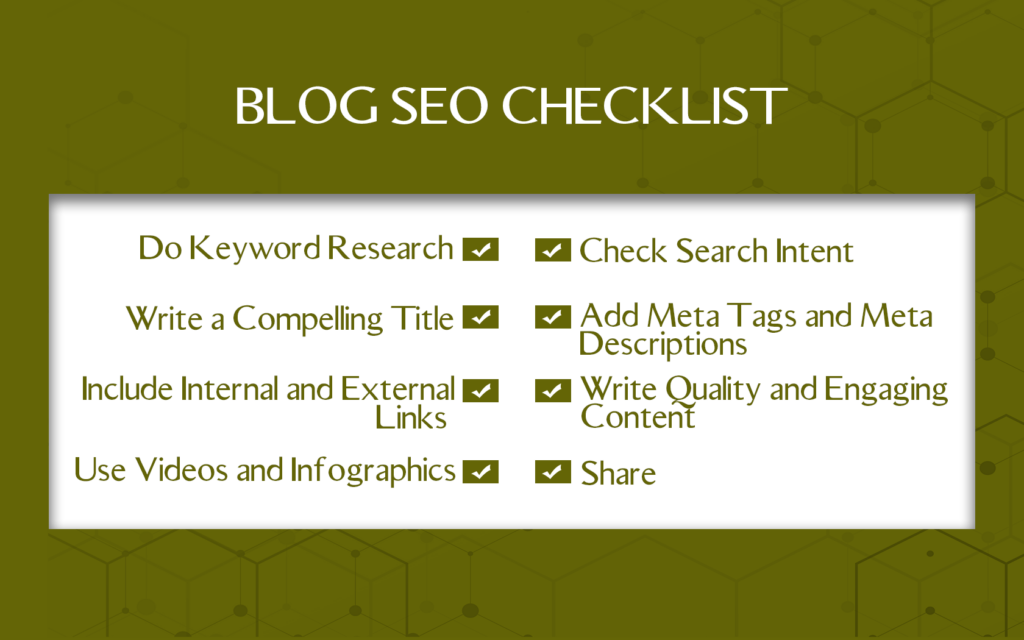
Before we dive into the nitty-gritty of optimizing your blog with backlinks, it's essential to understand the fundamentals of SEO and how backlinks fit into the equation. SEO, or search engine optimization, is the practice of increasing the quality and quantity of website traffic by ranking higher in search engine results pages (SERPs) for specific keywords or phrases. Backlinks, on the other hand, are incoming links from one website to another, and they play a crucial role in determining a website's authority, relevance, and ranking. For example, if you're writing a blog post about "blog SEO," you'll want to include relevant keywords like "SEO blog optimization" and "backlink building" to help search engines understand your content.
Step 2: Conducting Keyword Research for SEO Blog Optimization and Backlink Building
Keyword research is a critical step in optimizing your blog for search engines. It involves identifying the words and phrases your target audience uses to search for content like yours. To conduct keyword research, you can use tools like Google Keyword Planner, Ahrefs, or SEMrush. These tools will help you find relevant keywords, analyze their search volume, and determine their competition level. For instance, if you're writing a blog post about "SEO blogs," you might use keywords like "SEO blog examples," "best SEO blogs," or "SEO blog tips." Remember to include long-tail keywords, like "SEO blog optimization techniques" or "backlink building strategies for SEO blogs," to target specific search queries and increase your chances of ranking higher in SERPs.

Step 3: Creating High-Quality, SEO-Friendly Content with Backlink Opportunities
Creating high-quality, SEO-friendly content is vital for optimizing your blog and attracting backlinks. Your content should be informative, engaging, and optimized for your target keywords. Make sure to use header tags (H1, H2, H3, etc.), meta descriptions, and optimize your images by including alt tags and descriptive text. For example, if you're writing a blog post about "SEO blog optimization," you might include a header tag like "Optimizing Your Blog for SEO: A Step-by-Step Guide" and use alt tags like "SEO blog optimization example" for your images. Additionally, include internal and external links to other relevant and authoritative sources to increase your content's credibility and provide more value to your readers.
Step 4: Building High-Quality Backlinks for SEO Blog Optimization
Building high-quality backlinks is a crucial step in optimizing your blog for search engines. There are several ways to build backlinks, including guest blogging, broken link building, and resource pages. Guest blogging involves writing a post for another website and including a link back to your own website. Broken link building involves finding broken links on other websites and offering to replace them with a working link to a similar article on your own website. Resource pages involve creating a page on your website that links to other high-quality and relevant sources in your niche. For example, if you're writing a blog post about "SEO blog optimization," you might include a link to a relevant resource page on your website, like "SEO Blog Optimization Resources." Remember to focus on building backlinks from authoritative and relevant sources to increase your website's authority and ranking.
Step 5: Optimizing Your Blog's Technical SEO with Backlink Analysis
Optimizing your blog's technical SEO is essential for improving its visibility and ranking. This includes optimizing your website's speed, mobile responsiveness, and SSL encryption. You should also use tools like Google Search Console and Google Analytics to monitor your website's performance and identify areas for improvement. Additionally, use backlink analysis tools like Ahrefs or SEMrush to monitor your backlinks, identify broken links, and optimize your anchor text distribution. For example, if you notice that a large number of your backlinks are coming from low-quality sources, you may want to focus on building more high-quality backlinks to improve your website's authority and ranking.
Step 6: Tracking and Measuring Your SEO Progress with Backlink Metrics
Tracking and measuring your SEO progress is crucial to understanding what's working and what's not. Use tools like Google Analytics to monitor your website's traffic, engagement, and conversion rates. You should also track your keyword rankings, backlink profile, and social media metrics to get a comprehensive view of your SEO performance. For example, if you notice that your website's traffic is increasing, but your conversion rates are decreasing, you may want to focus on optimizing your content and user experience to improve your conversion rates. Additionally, use backlink metrics like domain authority, page authority, and anchor text distribution to evaluate the quality and relevance of your backlinks.
FAQs
Q: What is the best way to build backlinks for SEO blog optimization?
A: The best way to build backlinks is to focus on creating high-quality, relevant, and informative content that other websites will want to link to. You can also use techniques like guest blogging, broken link building, and resource pages to build backlinks.
Q: How do I optimize my blog's technical SEO for better ranking?
A: To optimize your blog's technical SEO, focus on improving your website's speed, mobile responsiveness, and SSL encryption. Use tools like Google Search Console and Google Analytics to monitor your website's performance and identify areas for improvement.
Q: What is the importance of tracking and measuring SEO progress with backlink metrics?
A: Tracking and measuring your SEO progress is crucial to understanding what's working and what's not. Use tools like Google Analytics to monitor your website's traffic, engagement, and conversion rates, and use backlink metrics like domain authority, page authority, and anchor text distribution to evaluate the quality and relevance of your backlinks.
15 Best SEO Blogs To Help You Dominate The SERPs In 2026
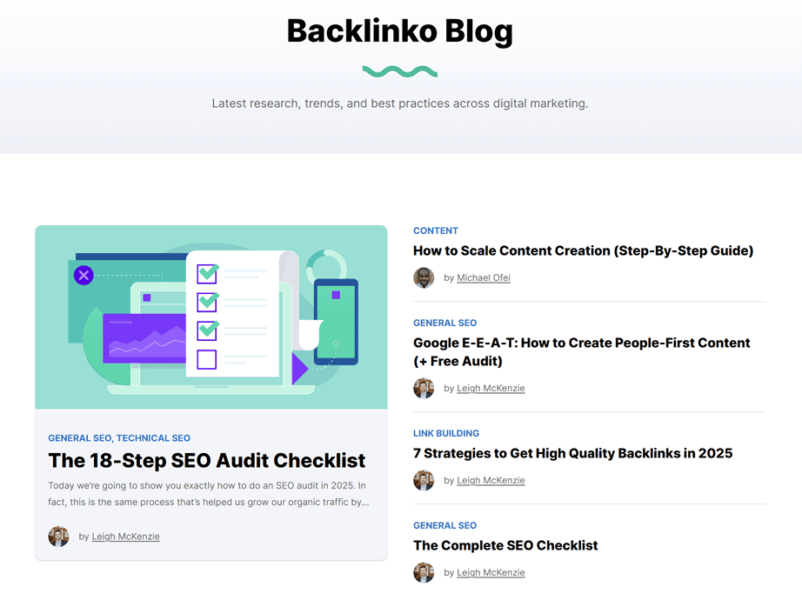
15 Best SEO Blogs to Help You Dominate the SERPs in 2026
How To Create An SEO Strategy For 2022 [Template Included]
![How to Create an SEO Strategy for 2022 [Template Included]](https://blog.hubspot.com/hs-fs/hubfs/backlink (1).jpg?width=3822&name=backlink (1).jpg)
How to Create an SEO Strategy for 2022 [Template Included]
Blog SEO Tips Every Blogger Should Know For Higher Rankings - RankZ Blog

Blog SEO Tips Every Blogger Should Know for Higher Rankings - RankZ Blog